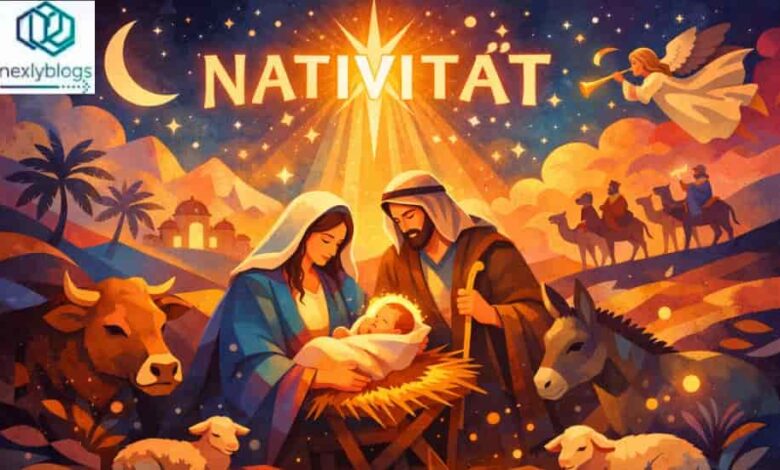
When you first hear the word Nativität, it might sound unfamiliar. Maybe it feels like a term from a foreign language class, or a concept from a cultural history book. Yet once you unpack it, you discover it’s a word with layers of meaning — spanning culture, tradition, language, and even how people think about beginnings.
In everyday life, we use simple expressions like “birth,” “start,” or “origin.” Nativität is a richer word that captures some of those ideas in a broader cultural and historical context. It’s been used for centuries, especially in European languages, to describe the moment something begins — often tied to people, stories, beliefs, and symbols that shape how we see the world.
This piece explores nativität in a clear, balanced way: what it means, where it came from, how it’s used, and why it still shows up in discussions even today. Whether you’re curious about language, culture, art, or shared traditions, you’ll find something here that connects with your everyday experience. And if you’re writing for Nexly Blogs or anywhere else, you’ll have a well‑rounded take on the topic.
Nativität Bio Table
| Attribute | Details |
|---|---|
| Topic Name | Nativität |
| Meaning | Refers to birth, beginning, or origin; culturally and symbolically rich term. |
| Origin | Latin nativitas (meaning “birth”), used in German and other European languages. |
| Cultural Significance | Associated with traditions, stories, art, and symbolic representations of beginnings. |
| Religious Context | Often linked to the birth of significant figures in religious traditions. |
| Astrological Use | Describes the positions of celestial bodies at the time of birth (natal chart). |
| Modern Usage | Symbolic in art, literature, innovation, and metaphorical technology contexts. |
| Common Misconceptions | Not a scientific, legal, or financial term; not limited to one tradition. |
| Synonyms / Related Words | Birth, origin, beginning, nativity (English), creation, inception. |
| Blog Reference | Featured in Nexly Blogs as a concept bridging culture, symbolism, and modern relevance. |
What Nativität Means
One simple way to think about nativität is as a concept that centers on birth and beginnings — not just in a physical sense, but in symbolic and cultural ways.
In everyday language, people talk about someone’s “birthday” or a “birthplace.” Those are concrete facts. Nativität often goes beyond that to include meaning, context, and cultural resonance surrounding birth.
This term may be most familiar in German or derived languages, but its roots stretch back to Latin. The Latin word nativitas literally means “the condition of being born.” From that root, related concepts spread into religious, artistic, and even scientific thinking.
So when we use nativität in a modern context, we’re usually talking about ideas like:
- The birth of a person, especially in a cultural or narrative setting.
- The circumstances and meaning of a birth moment.
- Symbolic portrayals of beginnings in tradition, art, and community celebrations.
Depending on the context, nativität can feel personal, historical, spiritual, or even poetic.
Cultural and Historical Roots
To get a full picture of nativität, it helps to step back and look at how the idea has been used over time.
From Language to Tradition
In the earliest usage, nativität grew from simple language about birth. Imagine a traveler in the past asking for the “birth date” of a town festival, or a poet describing the “first light” of a new season. Words around birth and beginnings were important because they helped people mark time and meaning in their lives.
Over time, especially in European cultures, nativität became connected to stories and traditions that brought birth narratives into communal celebration. In many cases, this meant religious or seasonal contexts.
Symbolic Birth Narratives
One of the strongest associations people make with nativität is a narrative around the birth of a significant figure within a community or tradition. These kinds of stories are not just about a biological event; they’re about what that moment means to the people hearing the story.
This leads to scenes and symbols — structures, figures, even artwork — that represent not only someone’s beginning, but the values attached to it: hope, peace, renewal, community.
As these depictions spread in art and community life, the word nativität became shorthand for both the event of a birth and the shared cultural scene around it.
Seasonal and Communal Expressions
In many traditions, particular seasons become associated with nativität because they mirror human experiences of ending and beginning:
- Cold weather giving way to warmth.
- Darker days leading back into light.
- Families and communities gathering together.
These patterns echo emotional and symbolic feelings tied to beginnings. Festivals and public celebrations often reflect this rhythm — not because the word nativität is required, but because the idea of birth and renewal resonates with many people at certain times of the year.
How People Use Nativität Today
Though nativität might sound like a term used primarily in textbooks or historical texts, it still shows up in modern language and conversation — but usually in specific contexts.
As a Cultural Reference
In literature, poetry, and art, nativität is often used to evoke a sense of origin or moment of beginning. For example:
- A writer might describe the nativität of a character’s journey, meaning the moment when their path truly began.
- An artist might title a piece to reflect themes of renewal or first beginnings without literally referring to a human birth.
In these cases, the word becomes a symbolic bridge between a concrete event (like a birth) and an idea (like hope or change).
In Language and Translation
Because it has roots in several languages, including German and Latin, nativität sometimes appears in multilingual texts. In translation, it can simply be rendered as “birth” or “origination,” but the original form carries cultural flavor — a reminder that words can convey more than literal meaning.
For blog writers, translators, or creators working with European cultural heritage, using nativität can be a way to connect modern readers with older linguistic threads.
Astrological Usage
Another context where the term appears is in astrology. In this field, people talk about a person’s “natal chart” — a map of where celestial bodies were at the moment of birth. Though English‑speaking astrologers might say “natal,” some texts use nativität in the same way.
This meaning does not suggest scientific proof of astrological influence, but it reflects how language around birth has branched into different domains of human belief and interpretation.
Differences Between Nativität and Everyday Words Like “Birth”
At first glance, nativität and “birth” may seem like synonyms. But there are subtle differences that matter in communication.
Here’s how they differ in tone and use:
- Birth: A straightforward, everyday word. You’d use it when discussing medical, biological, or personal facts — like someone’s birth date, birth weight, or birthplace.
- Nativität: A more layered term. It evokes birth with cultural meaning — often tied to stories, traditions, or symbolic representations.
To illustrate: imagine two sentences.
- “She celebrated her child’s birth last week.”
This is factual and personal. - “The mural captures the nativität of spring in sweeping colors.”
This leans symbolic and evocative — it’s about representation and meaning more than physical fact.
In writing or conversation, choosing nativität signals that you’re interested in more than just the factual event. You’re pointing to context, imagery, or cultural resonance.
Images and Symbols Related to Nativität
Across cultures, people have used images and visual symbols to represent birth, beginnings, and creative emergence. While these vary widely by tradition, some common threads appear:
- Scenes of a gathered community — representing shared experience.
- Natural settings — such as dawn or blossoming landscapes — to suggest renewal.
- Contrasts of light and dark — symbolizing a shift from uncertainty to clarity.
In artistic depictions tied to historical meanings of nativität, you might find simple scenes that reflect human life embracing new beginnings. These images help people connect emotionally and visually with the idea that an event or moment matters beyond its physical reality.
Common Misconceptions
Because nativität is not an everyday word in casual speech, people sometimes misunderstand or over‑simplify it. Here are a few points to clarify:
It’s Not a Scientific Term
Outside of language studies and cultural contexts, nativität is not a scientific category. In medical contexts, professionals will use precise language like “birth event,” “delivery,” or “gestational age.”
Similarly, in fields like genetics or embryology, terms are specific and technical. Nativität belongs more to language, culture, and symbolic representation.
It’s Not Limited to One Tradition
Some people think nativität refers to a single historical narrative or scene, but in fact, it’s a flexible term. While it is strongly associated with certain traditions in European cultures, its core idea — beginnings — appears across many storytelling traditions without requiring identical narratives.
Even within languages that adopt the word, speakers use it in different ways depending on context.
It Is Not a Legal or Financial Term
In legal or financial writing, you won’t find nativität as a technical term. These fields rely on precise definitions — for example:
- Legal birth certificate terminology.
- Financial birth date for age‑based eligibility.
If you need to discuss regulatory, legal, or financial details related to birth or age, you should use the formal language of those fields rather than nativität.
How People Experience the Idea of Nativität Today
People connect with the idea of nativität in many ways — through stories, shared rituals, art, and reflection. Here are examples of how it shows up in everyday life:
Family and Personal Reflection
When people look back on meaningful turning points, they may speak of the “beginning” in ways that echo nativität — not just the fact of a date, but the feeling of transition.
For example:
- A couple remembering their first home and how its creation marked a new phase.
- A parent describing the emotional shift in their life with the arrival of a child.
These reflections are not about technical definitions but about human experience.
Shared Community Rituals
Community events — festivals, gatherings, seasonal observances — often involve elements of beginnings or renewal. In these spaces, words and images like nativität help frame what is being celebrated: not just a date on a calendar, but the meaning of that time together.
Creative Expression
Writers, musicians, and visual artists sometimes tap into nativität‑like themes without naming them. They explore:
- The start of a journey.
- The birth of an idea.
- The dawn of change.
Because these themes are universal, audiences connect with them even if they haven’t encountered the word before.
Practical Ways to Use the Word
If you want to use nativität in your own writing, here are suggestions on when it fits naturally:
- Cultural pieces exploring traditions or symbols.
- Artistic descriptions that emphasize mood or theme, not just fact.
- Reflective essays where beginnings are part of a larger narrative.
- Comparative language to contrast literal birth events with symbolic meaning.
But remember: if your audience is unfamiliar with the term, it helps to include a brief explanation or context so readers aren’t left guessing.
Why Nativität Still Resonates
Even in a world where many people speak different languages and have diverse traditions, ideas about beginnings matter. People everywhere think about:
- Where they came from.
- What marks a new phase.
- How beginnings shape identity.
Nativität is one word that captures all of these in a compact, evocative way. It does not replace simple, clear language, but it enriches it — especially when paired with thoughtful writing.
For readers of Nexly Blogs and similar platforms, exploring this word can open up new ways to think about old themes: cultural memory, personal evolution, and the shared human impulse to mark beginnings with meaning.
Conclusion
Nativität might not be a word you use every day, but its core idea — the rich meaning tied to beginnings and birth — connects with universal human experience. Whether you encounter it in cultural texts, artistic descriptions, or thoughtful reflections, the term invites you to look beyond simple facts and into the stories that make moments significant.
At its heart, nativität reminds us that beginnings — whether literal or symbolic — shape how we understand life, culture, and our place in the world.
FAQs About Nativität
1. What does Nativität mean?
Nativität refers to birth, beginnings, or origin. It can describe a literal birth, a symbolic start, or even the creation of ideas and traditions.
2. Where does the word Nativität come from?
The term originates from Latin nativitas, meaning “birth.” It is commonly used in German and other European languages and carries cultural, religious, and symbolic meanings.
3. How is Nativität used in culture and tradition?
It often represents the birth of significant figures, seasonal beginnings, or symbolic stories. In art and literature, it conveys hope, renewal, and shared human experience.
4. Can Nativität be used in technology?
Yes, metaphorically. For example, it can describe the “birth” of a new software, AI model, digital project, or innovative idea, emphasizing the start of something impactful.
5. Is Nativität a scientific or legal term?
No, it is not a technical term for science, law, or finance. It is primarily cultural, symbolic, and linguistic. In formal contexts, precise terminology like “birth date” or “creation date” is used instead.