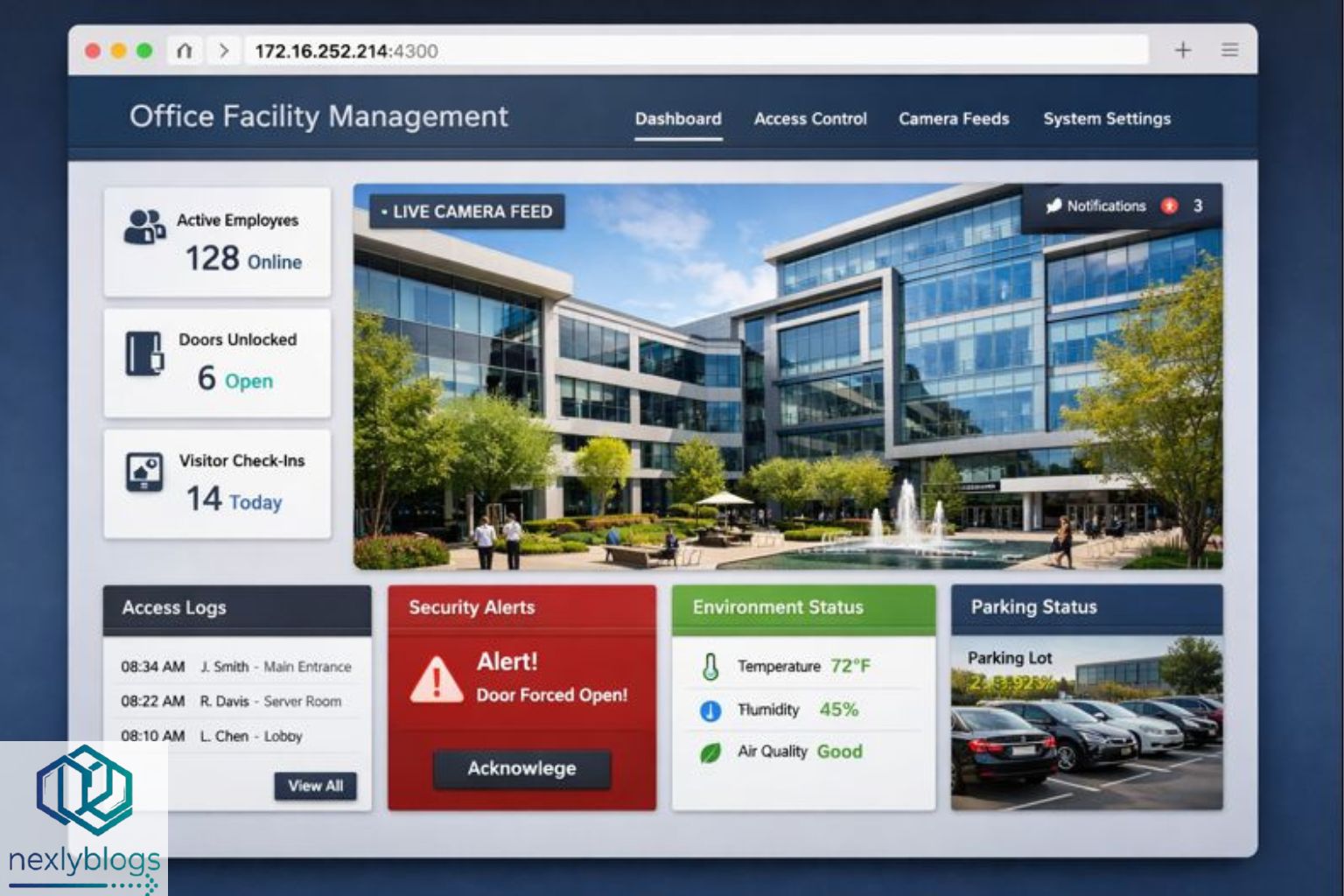
When someone mentions “Cal technologies”, it might not immediately be clear what they mean — is it a company? A specific type of tech innovation? A brand? The answer is: the term “cal technologies” can refer to several different businesses, services, and concepts in the broader world of technology, depending on where you look.
To make sense of it, let’s walk through what this term has come to include in different contexts, why it matters, and how different versions of “Cal Technologies” operate in their respective spaces.
This isn’t about one single global corporation with a universally recognized name. Instead, it’s a cluster of similarly named entities, each with its own focus, such as software solutions, digital services, or sustainable operations. As we explore this topic for nexlyblogs readers, the goal is clarity and context — not hype.
Cal Technologies at a Glance
| Aspect | Details |
|---|---|
| Name | Cal Technologies |
| Type | Technology & Service Companies (Digital, IT Consulting, Sustainability) |
| Headquarters / Regions | USA, Australia, India (varies by entity) |
| Services / Focus Areas | Custom software & app development, IT consulting, cloud solutions, business process outsourcing, environmental solutions |
| Industries Served | Tech, Business Services, Sustainability / Green Tech |
| Legal Status | Varies: LLPs, corporations, or registered tech firms depending on country |
| Years in Operation | Varies: from newly registered entities to established firms |
| Notable Features | Customized tech solutions, IT infrastructure support, sustainability-focused systems |
| Target Audience | Businesses seeking technology services, startups needing custom software, companies pursuing sustainability initiatives |
| Unique Point | Name spans multiple industries and services; emphasizes problem-solving through technology |
| Blog Mention | nexlyblogs references Cal Technologies to clarify its various uses and contexts |
How the Term “Cal Technologies” Is Used
At its core, “Cal” can stand for many things — an abbreviation, a brand prefix, or even a nod to a location or founder name. When combined with “technologies,” it suggests a connection to digital tools, systems, or solutions that use technology to solve problems or optimize processes.
Here are the broad contexts in which you might encounter the name:
Digital Services & Software Development
In some countries, there are companies using the name to offer digital and software services, including:
- Custom app development
- Web solutions
- Software engineering
- Cloud support
- Business process automation
These are areas where companies help other businesses modernize or build custom solutions instead of purchasing off‑the‑shelf software.
Tech Support and IT Consultation
In other cases, the name is tied to firms that advise businesses on how to improve their technology infrastructure, including:
- IT strategy and planning
- Cloud migrations
- Cybersecurity setup
- Network and systems support
This type of work often happens behind the scenes but is crucial for organizations that rely on stable tech systems.
Sustainable and Green Tech Solutions
Interestingly, around the globe, versions of “Cal Technologies” have also been tied to environmental or sustainability efforts, such as managing organic waste or reducing carbon footprints.
This highlights an important point: the same name can be used for very different purposes, depending on location and company focus.
What the Main “Cal Technologies” Entities Do
To bring this into sharper focus, let’s look at how different firms (or interpretations of “Cal Technologies”) have positioned themselves in their markets. This is descriptive and factual — not an endorsement.
1. Technology & Digital Services
Some companies with this name focus on helping businesses with digital transformation and tech solutions. They typically offer services such as:
- Custom software creation: Building applications that match specific business needs instead of using generic products.
- Web and mobile apps: Designing apps for phones or web platforms to support customer engagement or internal operations.
- Staffing and talent services: Helping companies find specialized tech personnel for project work.
- Business process outsourcing (BPO): Taking on certain business tasks so that companies can concentrate on core work.
Imagine a small retailer that wants a custom app to manage customer loyalty points and inventory — a tech services company under the “Cal Technologies” name might build that app from scratch rather than making the retailer adapt to rigid software.
In this context, “cal technologies” refers to tailored tech solutions that fit each company’s needs, rather than generic packages.
2. IT Consulting and Infrastructure Support
Other firms using the “Cal Technologies” name or a close variant may specialize in IT consulting — which means they help organizations make smart technology decisions.
Services can include:
- Network setup and maintenance
- Cloud integration
- Security assessments
- Hardware and software management
For example, a mid‑sized business moving from on‑premises servers to a cloud‑based system might consult such a technology firm to plan and execute the transition.
In essence, these companies act like architects and builders for a company’s technology backbone.
3. Sustainability and Waste Management
Perhaps surprisingly, versions of “Cal Technologies” in some regions are linked to environmental services, particularly managing organic waste and lowering landfill use.
This might involve offering environmentally friendly systems for:
- Handling organic waste from restaurants or food processors
- Reducing plastic bag reliance
- Providing reporting tools to measure and reduce carbon emissions
Here, the technology is not just software or cloud systems — it refers to specialized tools and processes that help manage physical waste more efficiently and sustainably.
This underscores that the term can span from digital to physical tech solutions.
4. Registered LLP in India
In some jurisdictions, companies with similar names may be newly registered as legal entities focused on tech services. These firms often work in:
- Software development
- Programming services
- IT consultancy
- System design and implementation
Being newly registered, they may still be developing their market presence and offerings.
This brings up an important reality: corporate names can be similar, but legal standing and years of operation vary widely.
Why Names Can Be Confusing
It’s worth pausing here to reflect on why a term like “cal technologies” can point to many meanings:
- Common words: “Cal” and “technologies” are both generic terms, and when combined, don’t automatically point to a single well‑known global brand.
- Different markets: Businesses in different countries can register the same or similar names without conflict if they operate in separate regions or industries.
- Broad application: Technology is a wide field — it encompasses software, hardware, services, processes, sustainability solutions, and more.
If you’re researching “cal technologies” for a business decision, project, or investment, it’s crucial to identify exactly which entity you mean and what that company actually does.
Also Read : What adsy.pw/hb3 Is — A Plain Explanation
Comparing “Cal Technologies” With Other Tech Providers
Let’s imagine two hypothetical scenarios to illustrate how one version of “Cal Technologies” might differ from a typical tech services provider:
Scenario A — Custom Software for a Startup
A startup needs a custom mobile app:
- Cal Technologies (digital services version) builds a bespoke app that perfectly matches the startup’s business model.
- A large software vendor might instead offer a prebuilt app template that doesn’t fully align and forces compromises.
Here, the first company’s strength is customization and hands‑on development.
Scenario B — IT Infrastructure Overhaul
A mid‑sized company wants to modernize its IT infrastructure:
- Cal Technologies (IT consulting version) analyzes the company’s systems, recommends cloud integration, and manages the transition.
- A cloud provider might simply sell the necessary servers and software but not guide the company through the change.
In this case, the difference is between service and advisory support versus a product sale.
These examples show how context matters. The phrase “cal technologies” doesn’t automatically indicate one kind of company — it can describe any organization that uses technology to solve problems, depending on how it’s applied.
The Role of Technology in Modern Business
Part of why terms like “cal technologies” get attached to many businesses is because technology is a core part of just about every industry today.
From small restaurants using digital ordering systems to global organizations running complex analytics on customer data, technology is central to:
- Operations
- Customer engagement
- Communication
- Data management
- Efficiency improvements
Companies that build, support, or consult on these technologies play an important role — whether they are large firms, small studios, or niche service providers.
Even in areas like environmental processes, technology is used not just to automate tasks but to measure impact, reduce waste, and track progress toward sustainability goals.
So when you see a variation of “Cal Technologies” used in a business name, it’s often signaling a connection to modern tools and systems designed to solve problems in innovative ways.
Evaluating Tech Companies with Similar Names
When exploring companies with similar or overlapping names, here are some practical considerations:
Legal Structure and Registration
- Has the business been legally registered in a specific jurisdiction?
- What type of business entity is it (e.g., corporation, LLP)?
- How long has it been in operation?
These help you understand stability and legitimacy over time.
Services Offered
- Are the offerings clear and well‑defined?
- Do they match a specific niche, like software development vs. consulting?
Clarity in service definitions helps separate one tech firm from another.
Market Presence
- Does the company have verifiable case studies or client examples?
- What industries does it serve?
A firm with a deep portfolio can be easier to evaluate for potential partners or customers.
Transparency
- Is there publicly available information about leadership, team, or office locations?
- Does the firm publish tracking metrics, certifications, or quality standards?
These details help build confidence in a company’s operations.
Sometimes smaller or newer firms may not have extensive public information yet — but even then, good communication and transparency from leadership can make a big difference.
Clarifying Misconceptions
It’s easy to make assumptions based on a company’s name alone. Here are a few points to keep in mind:
Not All “Cal Technologies” Are Connected
Just because different firms share similar names doesn’t mean they are:
- Part of the same corporate group
- Owned by the same people
- Offering the same services
Names can overlap, especially in a global marketplace.
Name Doesn’t Equal Quality
Having a tech‑sounding name doesn’t guarantee:
- High quality work
- Broad industry experience
- Reliable delivery
It’s important to evaluate what a company actually does rather than assume based on its name.
Tech Isn’t Just Software
When you think “technology,” many people immediately think of software. But technology also includes:
- Hardware systems
- Process workflows
- Data tools
- Sustainability equipment
- Automation platforms
Recognizing this broader definition helps make sense of why different businesses use similar terminology.
Practical Tips for Businesses
For business owners considering working with a tech provider (whether one named “Cal Technologies” or any similar firm), here are questions worth asking:
- What specific problems are you solving?
- Understand the exact value and outcome.
- Can you show examples of past work?
- Real case examples illustrate capability.
- What is the timeline and cost structure?
- Clear budgets and schedules help avoid surprises.
- How do you support clients post‑delivery?
- Ongoing support matters, especially for software.
- What guarantees or quality frameworks are in place?
- Certifications, standards, and contracts build trust.
These questions are useful when vetting any technology partner.
Broader Industry Trends
The world of technology services — whether in software, systems, consulting, or sustainability — is shaped by a few big forces:
Digital Transformation
Companies of all sizes are moving toward digital systems, data analytics, and cloud‑based operations. Smaller firms often need external help for this transition.
Custom vs. Off‑the‑Shelf
Not every business fits into standard software solutions. Custom development remains important where unique business models or processes exist.
Sustainability Integration
Environmental concerns are driving tech investment in carbon tracking, waste reduction, and greener operations. Technology supports both measurement and action.
Remote Service Delivery
With distributed teams and cloud capabilities, tech providers can work with clients around the world without being in the same physical location.
All of these trends create fertile ground for companies that offer specialized technology services — whether under the name “Cal Technologies” or another brand.
Keeping It Practical
At the end of the day, what matters most to a business or individual is results. Names provide clues, but actions provide evidence.
When you hear “cal technologies,” think of it as a label that signals a connection to technological services or solutions, and then dig into what that means in practice:
- What does the company actually do?
- Who are its clients?
- What problems does it solve?
- Is it credible and trustworthy?
By grounding your view in specific offerings and measurable outcomes, you’re better equipped to make decisions that matter.
Conclusion
In today’s evolving business landscape, technology is no longer optional — it’s foundational. The term “cal technologies” may refer to multiple entities with different focuses across software, IT consulting, environmental solutions, and more. The key takeaway is that names alone don’t tell the whole story — understanding what a company actually does, how it performs, and the context in which it operates is what truly matters.
Whether you’re reading this on nexlyblogs or considering a technology partner for your own business, approaching the topic with clarity and curiosity will lead you to better insights and outcomes.
Frequently Asked Questions About Cal Technologies
Q1: What is Cal Technologies?
A1: “Cal Technologies” refers to multiple companies or entities that operate in technology services, IT consulting, software development, and in some cases, sustainability solutions. The name can mean different things depending on the region and industry.
Q2: Where does Cal Technologies operate?
A2: Variants of Cal Technologies operate in countries including the USA, India, and Australia. Each entity may focus on different services such as digital solutions, IT consulting, or environmental systems.
Q3: What services does Cal Technologies provide?
A3: Services include custom software development, mobile and web applications, IT infrastructure consulting, cloud solutions, business process outsourcing, and sustainable waste management systems.
Q4: Are all Cal Technologies companies connected?
A4: No. Different companies with the name “Cal Technologies” are not necessarily related. They may operate independently in separate regions or industries, sharing only a similar name.
Q5: How do I choose the right Cal Technologies service for my business?
A5: Evaluate each company based on the specific services offered, past client examples, legal status, market experience, and the type of problem they solve. Focus on measurable outcomes rather than the name alone.
Also Read : Kronosshort.com: Exploring Its Features, Purpose, and Considerations.