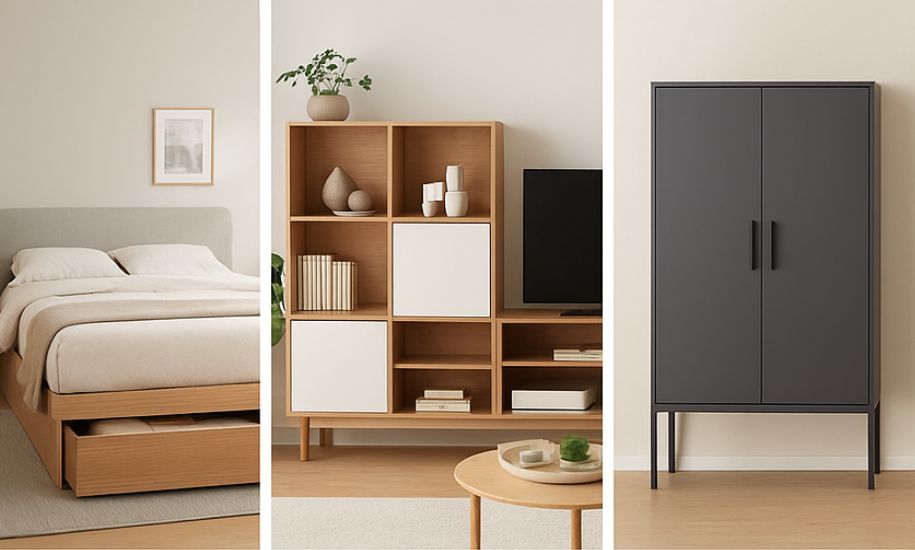
Woodworking has long been a craft that blends skill, creativity, and patience. Among enthusiasts and professionals alike, the name “David Woodworking” often comes up as a representation of meticulous craftsmanship and innovative designs. Whether it’s a small handcrafted piece or a large-scale furniture project, woodworking involves both precision and artistry. In this piece, we explore the world of David Woodworking, offering insights into its practices, styles, and inspirations.
David Woodworking – Quick Profile
| Attribute | Details |
|---|---|
| Name/Brand | David Woodworking |
| Type | Woodworking craft and business |
| Specialty | Handcrafted furniture, decorative wood items, custom woodworking projects |
| Tools & Techniques | Hand tools (chisels, saws), power tools, joinery, carving, sanding, finishing |
| Wood Types Used | Oak, Maple, Cherry, Pine, and other hardwoods and softwoods |
| Style | Combination of traditional craftsmanship and modern design |
| Services Offered | Custom commissions, furniture, décor items |
| Target Audience | Hobbyists, homeowners, collectors, interior design enthusiasts |
| Business Approach | Balanced craftsmanship and client-focused service |
| Learning & Inspiration | Focus on skill development, experimentation, and blending tradition with technology |
The Craft of David Woodworking
At its core, woodworking is the process of shaping and assembling wood into functional or decorative items. David Woodworking focuses on projects that are both practical and visually appealing. The craft requires an understanding of wood types, tools, and finishing techniques, each of which affects the final product.
Tools and Techniques
Woodworking involves a variety of tools, from hand saws and chisels to modern power tools. David Woodworking often emphasizes a balanced approach, combining traditional hand tools with contemporary machinery to achieve both precision and character in every piece.
Some commonly used techniques include:
- Joinery: Techniques like dovetail, mortise and tenon, and finger joints add strength and beauty to wooden structures.
- Carving and Shaping: Detailed carving can transform a simple board into a decorative work of art.
- Sanding and Finishing: Proper finishing techniques, including staining and sealing, enhance the wood’s natural grain and protect it for long-term use.
This combination of methods ensures each project reflects both functional quality and artistic appeal.
Wood Selection
Choosing the right wood is critical. David Woodworking often prefers hardwoods for furniture due to their durability, while softer woods may be used for decorative pieces. Each wood type has unique qualities:
- Oak: Strong, with a distinct grain, ideal for tables and cabinets.
- Maple: Smooth and hard, suitable for flooring and cutting boards.
- Cherry: Rich in color and perfect for elegant furniture.
- Pine: Affordable and workable, often used in crafting beginner-level projects.
Selecting the right wood requires understanding its behavior, including how it expands or contracts with changes in humidity.
Signature Styles and Projects
David Woodworking projects are recognizable for their attention to detail, quality finishes, and practical design. From small home décor pieces to functional furniture, the style is versatile yet consistent in its craftsmanship.
Furniture and Home Projects
Many projects focus on furniture, including:
- Tables and Chairs: Balanced proportions and sturdy construction make them both functional and visually appealing.
- Cabinets and Shelving: Precision joinery ensures these pieces remain durable over time.
- Decorative Accents: Items like picture frames, small boxes, and wooden ornaments show artistic creativity and attention to detail.
The designs often blend modern simplicity with traditional woodworking charm, allowing pieces to fit in a variety of interior styles.
Custom Commissions
David Woodworking also accepts custom orders, tailoring each piece to specific client needs. Customization can involve selecting particular wood types, finishes, and dimensions, or incorporating personalized designs. This approach ensures that every project is unique, reflecting both the maker’s expertise and the client’s vision.
Balancing Craftsmanship and Business
While woodworking is an art, running a woodworking venture requires business acumen. David Woodworking balances creativity with operational efficiency, making sure projects are delivered on time and meet client expectations.
Pricing and Project Planning
Pricing a woodworking project involves multiple factors:
- Material Costs: The type and quantity of wood directly affect the cost.
- Labor: Skilled craftsmanship requires time, which is factored into pricing.
- Complexity: Projects with intricate designs or detailed finishes require additional effort.
Planning also includes estimating project duration, sourcing materials, and coordinating tools and workspace efficiently. A well-managed process ensures quality without unnecessary delays.
Marketing and Client Engagement
In today’s digital era, woodworking businesses rely on online presence to attract clients. David Woodworking uses blog posts, social media, and online galleries to showcase work. Sharing behind-the-scenes insights or project progress helps clients feel connected to the process.
Engaging clients involves:
- Offering transparent timelines and cost estimates.
- Providing examples of previous work.
- Responding to inquiries promptly and professionally.
This combination of quality work and professional engagement builds trust and repeat business.
Learning from David Woodworking
Even if someone is new to woodworking, observing the principles and methods used in David Woodworking can be inspiring. Key takeaways include the importance of patience, precision, and continuous learning.
Developing Skills
Woodworking requires consistent practice. Beginners can start with simpler projects like shelves or small boxes before progressing to furniture. Observing professional practices, such as precise measurement, tool maintenance, and finishing techniques, accelerates skill development.
Creative Exploration
Experimenting with different wood types, designs, and finishes encourages innovation. David Woodworking projects often show subtle variations that reflect experimentation within structured methods. Trying new approaches within a controlled process can lead to unique results without compromising quality.
Integrating Technology
While traditional hand tools remain essential, modern technology can enhance efficiency. For instance, digital design software allows planning dimensions and visualizing the final product before cutting wood. CNC machines can handle repetitive cuts with precision, freeing the craftsperson to focus on artistic touches. Balancing handcrafting with technology can elevate both speed and creativity.
The Enduring Appeal of Woodworking
Woodworking resonates with people because it combines practical function with visual beauty. David Woodworking exemplifies this balance by creating pieces that serve a purpose while showcasing artistry. This timeless appeal is why woodworking remains a popular hobby and business.
Personal Satisfaction
Crafting something tangible from raw materials brings a sense of accomplishment. Seeing a table or a decorative item take shape under one’s hands is rewarding in a way digital projects cannot replicate. For both hobbyists and professionals, this satisfaction fuels continued engagement.
Legacy and Sustainability
Woodworking also promotes sustainability when responsibly sourced materials are used. A well-crafted wooden piece can last decades, even generations, reducing the need for mass-produced items. Choosing local or reclaimed wood not only conserves resources but also adds character to the final product.
Conclusion
David Woodworking represents the intersection of skill, creativity, and dedication. From selecting the right wood and using precise tools to crafting beautiful, functional pieces, every aspect of the work reflects thoughtful artistry. Beyond individual projects, it demonstrates how woodworking can be both a fulfilling craft and a viable business. By embracing patience, learning continuously, and integrating modern tools responsibly, woodworkers can create pieces that endure in both beauty and utility. Nexly Blogs highlights this balance as an example of how traditional craftsmanship continues to thrive in the modern world.
(FAQs) about David Woodworking
Q1: What types of projects does David Woodworking specialize in?
A: David Woodworking creates a wide range of projects, from handcrafted furniture and cabinets to small decorative items like picture frames and wooden boxes. Each piece focuses on precision, durability, and aesthetic appeal.
Q2: What tools and techniques are commonly used in David Woodworking?
A: The craft combines traditional hand tools like chisels and saws with modern power tools. Techniques include joinery (dovetail, mortise and tenon), carving, sanding, and finishing to ensure both functionality and beauty.
Q3: Can I request a custom woodworking project?
A: Yes. David Woodworking offers custom commissions, allowing clients to choose wood types, finishes, dimensions, and personalized designs to create unique, one-of-a-kind pieces.
Q4: Which types of wood are typically used?
A: Common choices include oak, maple, cherry, and pine. Each type of wood has unique characteristics, such as grain pattern, hardness, and color, which influence the final project’s look and durability.
Q5: Is David Woodworking suitable for beginners wanting to learn woodworking?
A: Absolutely. While professional projects require skill, observing David Woodworking methods can inspire beginners. Starting with simple projects and gradually practicing joinery, carving, and finishing can build confidence and expertise.