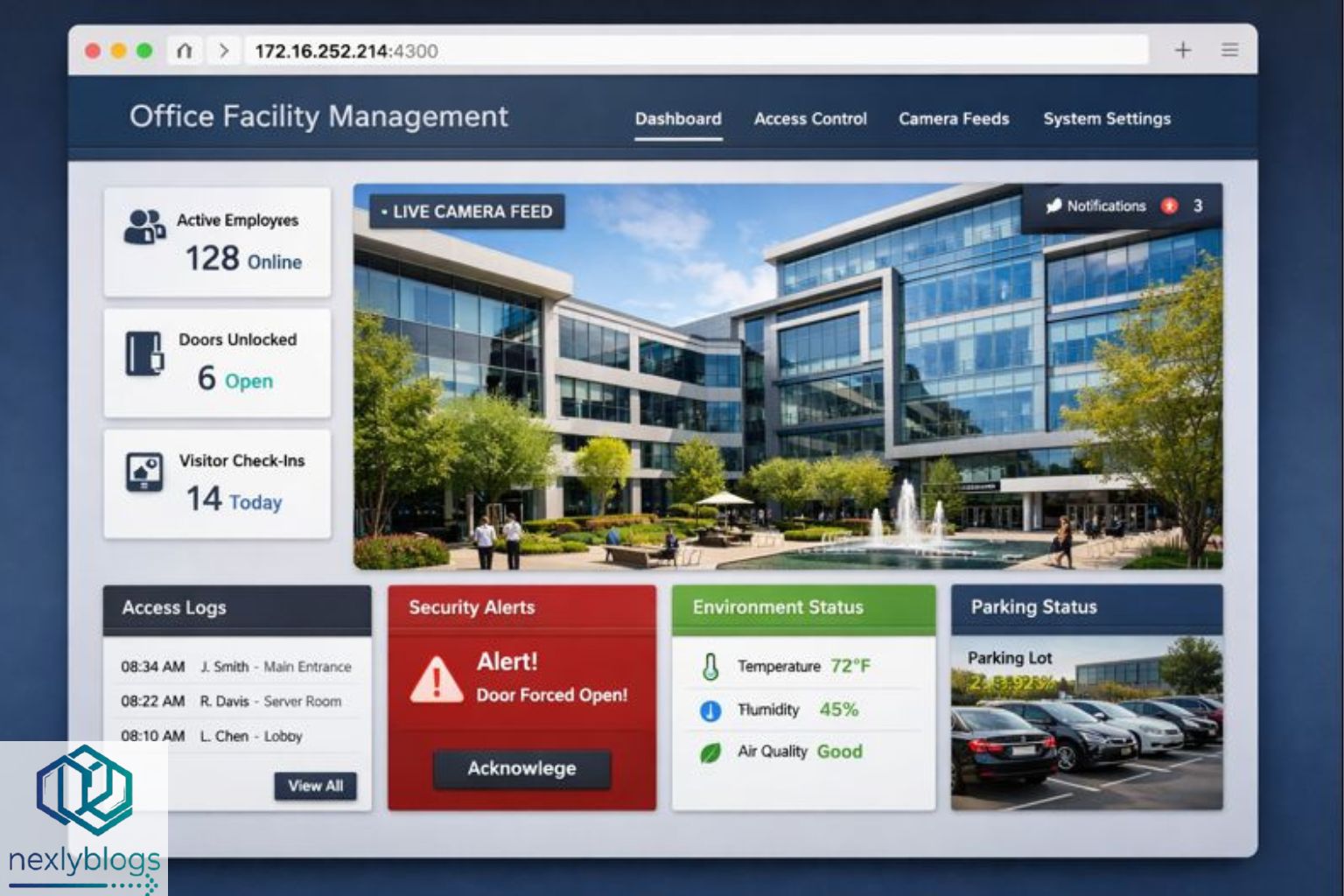
When you see something like 172.16.252.214.4300, it can look confusing at first. It feels technical, maybe even suspicious, especially for people who are not deeply familiar with how networks work. Some assume it is a website. Others think it points to a server exposed on the internet. In reality, this kind of address usually tells a very different story.
This piece explains what 172.16.252.214.4300 actually represents, how it fits into networking basics, why it appears in logs or software tools, and what it does not mean. The goal is clarity, not complexity, explained the way you might talk through it with a friend who is curious but not technical.
Profile Overview: 172.16.252.214.4300
| Attribute | Details |
|---|---|
| Address Format | Private IPv4 address with port number |
| IP Address | 172.16.252.214 |
| IP Type | Private (internal network use) |
| Reserved Range | 172.16.0.0 – 172.31.255.255 |
| Port Number | 4300 |
| Port Type | Custom / non-standard |
| Publicly Accessible | No |
| Typical Usage | Internal applications, local services, testing environments |
| Common Environments | Corporate networks, VPNs, development systems |
| Internet Routable | No |
| Browser Access | Only within the same private network |
| Security Exposure | Limited to internal network configuration |
| Identifies a Person or Company | No |
| Associated Website | None |
| Legal or Financial Entity | Not applicable |
| Risk Level | Neutral when properly configured |
| Common Appearance | System logs, application errors, network tools |
Private IP Addresses and Why 172.16.252.214 Is Not Public
To make sense of 172.16.252.214.4300, the first thing to know is the idea of private IP addresses.
An IP address is a numeric label assigned to a device on a network. It helps devices find and talk to each other. But not all IP addresses are meant to be visible on the public internet.
The role of private IP ranges
Some IP ranges are reserved specifically for internal use. These are known as private IP ranges. Devices inside homes, offices, schools, and corporate networks use them to communicate internally without being reachable from outside.
The address 172.16.252.214 falls within one of these private ranges:
- 172.16.0.0 to 172.31.255.255
Addresses in this range are:
- Not routable on the public internet
- Used inside local or organizational networks
- Common in business environments, data centers, and VPNs
This means 172.16.252.214 is not a public-facing address. Someone on the open internet cannot simply type it into a browser and reach it.
A simple comparison
Think of it like an apartment building.
- The building address is public, like a public IP.
- The apartment number is private, like 172.16.252.214.
People outside can find the building, but they cannot reach apartment 214 unless they are already inside or invited.
That is how private IP addresses work.
What the “4300” Means and Why Ports Exist
The second part of 172.16.252.214.4300 is 4300, which refers to a port number.
Ports are an essential but often misunderstood part of networking.
Why ports are needed
A single device can run many services at the same time. For example:
- A web interface
- A background application
- A management tool
- An internal API
Ports act like separate doors on the same device. The IP address identifies the device, and the port identifies which service you want to reach.
Common vs custom ports
Some ports are widely known:
- 80 for basic web traffic
- 443 for secure web traffic
- 22 for remote access tools
Port 4300, however, is not one of the commonly standardized ports. That usually means it is a custom or application-specific port.
This is very normal inside private networks.
Why custom ports are used
Organizations often use custom ports like 4300 for:
- Internal dashboards
- Development tools
- Monitoring systems
- Device management interfaces
- Application testing environments
There is nothing inherently risky or unusual about a service using port 4300. Its purpose depends entirely on how the network administrator configured it.
Why You Might See 172.16.252.214.4300 in Logs or Software

Many people first encounter 172.16.252.214.4300 not by choice, but because it appears in a log file, error message, or system report.
This can happen in several everyday scenarios.
Common situations where it appears
You may see this address if you are:
- Reviewing router or firewall logs
- Looking at application error messages
- Working with internal tools at a company
- Using a VPN or remote network connection
- Testing software in a development environment
In these cases, the address usually represents internal traffic, not external access.
Why the formatting sometimes looks unusual
You might notice the address written as:
- 172.16.252.214:4300
- 172.16.252.214.4300
The colon version is the standard technical format. The dot version often appears because:
- Certain systems export logs without colons
- Data is copied into spreadsheets or reports
- Legacy systems limit allowed characters
Despite the formatting difference, both versions usually refer to the same idea: an IP address paired with a port.
Not a website and not a public service
It is important to be clear about this point.
172.16.252.214.4300 is not a public website.
It is not a publicly reachable server.
It does not identify a company, brand, or individual.
It is simply a reference to a device and service inside a private network.
Security, Privacy, and Common Misconceptions
Seeing unfamiliar IP addresses can trigger concern, especially when security is involved. It helps to separate reasonable caution from misunderstanding.
What this address does NOT mean
The presence of 172.16.252.214.4300 does not automatically mean:
- A system is hacked
- Data is leaking to the internet
- Someone is spying on a network
- A device is exposed publicly
Private IP traffic is expected in normal network operations.
Where security really matters
Security depends less on the IP itself and more on:
- Firewall rules
- Authentication controls
- Network segmentation
- Software updates
For example, an internal service running on port 4300 might:
- Require login credentials
- Only accept traffic from specific devices
- Be accessible only through a VPN
Those controls matter far more than the number itself.
A conceptual example
Imagine a locked office inside a secure building.
- The building is private.
- The office door has a lock.
- Only employees with keys can enter.
Even though the office exists, it is not accessible to the public. That is how internal IPs and ports are designed to work when configured properly.
How Addresses Like This Fit Into Modern Networks
Modern networks are complex systems made up of layers. Addresses like 172.16.252.214.4300 play a small but important role within them.
Corporate and enterprise environments
In business networks, private IPs are commonly used for:
- Internal tools
- Employee systems
- Databases
- Monitoring platforms
Large organizations may manage thousands of such addresses every day.
Development and testing environments
Developers often use private IPs and custom ports to:
- Test applications safely
- Run experimental features
- Avoid exposing unfinished systems
Port 4300 could easily belong to a test application that exists only during development.
VPNs and remote access
When connecting through a VPN, users are often assigned private IP addresses. This allows them to:
- Access internal resources securely
- Appear as if they are inside the network
- Use services not available publicly
In these cases, seeing addresses like 172.16.x.x is completely expected.
Home and small office setups
Even smaller networks use private IPs. Routers, smart devices, and local servers all rely on them to communicate safely within the local environment.
Final Thoughts on 172.16.252.214.4300
At first glance, 172.16.252.214.4300 can look intimidating. But once you break it down, it becomes clear that it is simply a private network reference — nothing more, nothing less.
It points to:
- A private IP address inside an internal network
- A custom port used by a specific service
- Traffic that is not publicly accessible
There is no inherent meaning beyond its technical context. It does not identify a person, a company, or a public system. Like many internal network references, it exists quietly in the background, doing its job without needing attention.
Content like this is exactly why platforms such as nexlyblogs focus on breaking down technical topics into clear, practical explanations. When technical language is explained calmly and accurately, it stops being confusing and starts making sense.
FAQs About 172.16.252.214.4300
1. Is 172.16.252.214.4300 a real website or online service?
No. This address does not represent a public website or online service. It refers to a private network IP address combined with a port number, which is only accessible inside a local or restricted network.
2. Can 172.16.252.214.4300 be accessed from the internet?
No. The IP address 172.16.252.214 belongs to a private range and cannot be reached from the public internet unless special network rules are intentionally configured.
3. Why does 172.16.252.214.4300 appear in system logs or error messages?
It usually appears when an internal application or service communicates within a private network. Logs record these connections to help with monitoring, troubleshooting, or performance tracking.
4. Does seeing this address mean there is a security issue?
Not by itself. Private IP addresses and custom ports are commonly used in normal network operations. Security depends on proper configuration, not on the presence of this address alone.
5. What type of service typically runs on port 4300?
Port 4300 is a custom, non-standard port. Its purpose varies by network and may be used for internal tools, development environments, monitoring systems, or administrative interfaces.