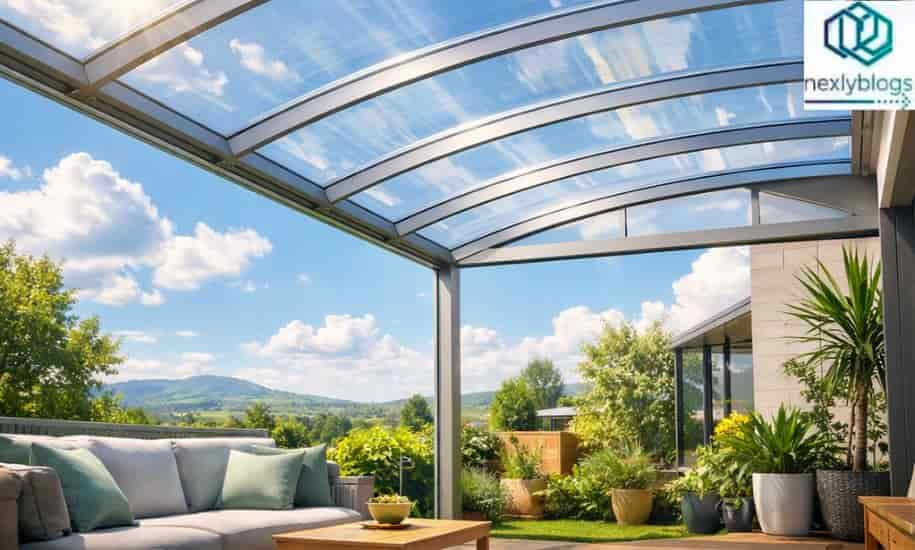
Roofs are more than just protection from the weather—they shape the look and feel of a space. If you’ve ever walked under a roof that lets in natural light while still keeping you dry and safe, you know how transformative it can be. One roofing material gaining attention in modern construction is acryldach, a solution that combines clarity, durability, and style. In this piece, we’ll explore what acryl roofs are, why they matter, and how they compare to traditional roofing options.
Whether you’re planning a patio cover, a greenhouse, or a commercial atrium, acryl panels are worth considering. Let’s explore the world of acryldach in a way that’s practical, approachable, and grounded in real-world usage.
Acryldach Bio Table
| Attribute | Details |
|---|---|
| Name | Acryldach |
| Origin | German: “Acryl” (acrylic) + “Dach” (roof) |
| Material | PMMA (polymethyl methacrylate, acrylic) |
| Transparency | Up to 90% light transmission |
| UV Resistance | Yes, coated to prevent yellowing |
| Impact Resistance | High, less prone to cracking than glass |
| Weight | Lightweight, easier to install than glass or metal |
| Applications | Residential patios, pergolas, greenhouses; commercial atriums; industrial skylights |
| Durability | 15–30+ years with proper care |
| Maintenance | Low maintenance, mild cleaning recommended |
| Energy Efficiency | Natural light reduces artificial lighting; some panels reflect heat |
| Installation | Requires lightweight framework, correct spacing, sealing, and fasteners |
| Limitations | Scratch-sensitive, thermal expansion, slightly higher upfront cost |
| Design Flexibility | Flat, corrugated, or multi-wall panels; customizable shapes |
| Sustainability | Recyclable, long-lasting, reduces energy use |
| Popular With | Modern architecture, outdoor living spaces, greenhouses |
What Is Acryldach and How It Works
At its core, the term “acryldach” comes from the combination of “acryl” (acrylic) and “dach” (roof). These roofs are made from acrylic panels, typically PMMA (polymethyl methacrylate), a type of thermoplastic known for its clarity and strength. Imagine a glass-like material that is far lighter, easier to work with, and less prone to breaking—that’s essentially what an acryl roof provides.
Key Features
- Transparency: Acrylic panels allow up to 90% of natural light to pass through. This makes them ideal for spaces where daylight is important, like greenhouses, sunrooms, or covered patios.
- UV Resistance: Special coatings prevent yellowing and damage from the sun, ensuring the roof stays clear and functional over time.
- Impact Resistance: Unlike glass, acryl panels can withstand minor impacts and weather conditions without cracking.
- Lightweight Construction: These panels reduce the structural load on a building, making installation easier and less costly than traditional materials.
Think of acryl panels like the lightweight, flexible cousin of glass—they bring similar clarity but with far fewer downsides.
How It Works in Practice
When installed, acryldach panels are typically mounted on a lightweight framework made of metal or treated wood. The panels can be flat, corrugated, or multi-wall, depending on the design needs. The installation allows natural light to flow through while keeping rain, wind, and debris out. Proper spacing and sealing prevent warping due to thermal expansion, which is essential in areas with wide temperature ranges.
For homeowners and business owners alike, this combination of lightness, durability, and visual clarity makes acryl roofs an attractive choice. They offer a balance between aesthetics and practical performance that few traditional roofing materials can match.
Why Choose Acryldach: Benefits and Advantages
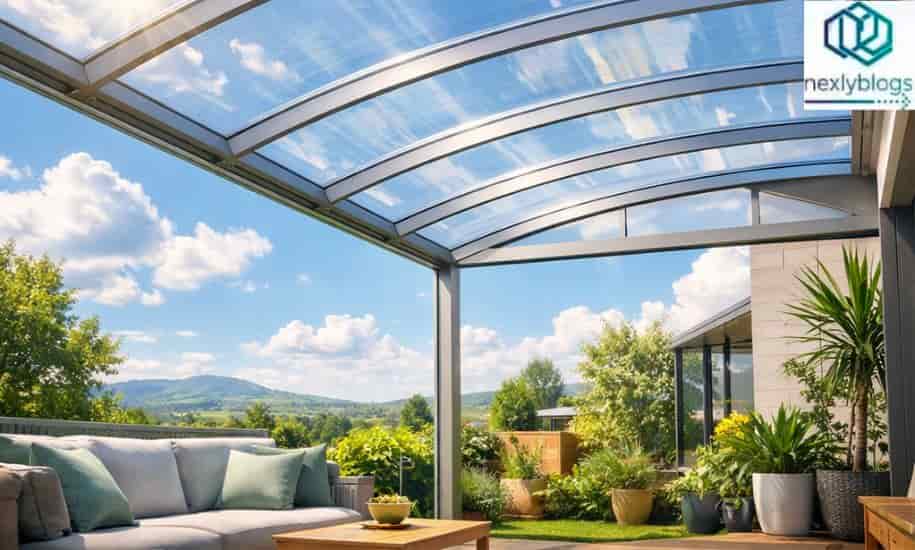
Choosing the right roofing material is about balancing durability, cost, appearance, and functionality. Acryldach offers several advantages that make it stand out in modern construction.
1. Enhanced Natural Light
Acrylic panels allow sunlight to penetrate spaces without the harsh glare of direct sunlight. For example, a garden patio with an acryl roof feels bright and inviting throughout the day, even in winter months. This natural lighting can reduce the need for artificial lights, saving energy and creating a more pleasant atmosphere.
2. Durability Against the Elements
Acrylic roofs are resistant to:
- Rain and snow
- Strong winds
- Hail and minor debris
This makes them a reliable option for areas with unpredictable weather. With UV-stable coatings, the panels retain their clarity and strength over years of exposure.
3. Easy Installation and Maintenance
Because they are lightweight, acryldach panels are easier to handle than glass or metal alternatives. Installation typically involves:
- Measuring the framework accurately
- Cutting the panels to fit
- Securing them with corrosion-resistant fasteners
- Sealing joints to prevent leaks
Maintenance is simple: a mild cleaning solution is usually sufficient to keep the panels clear and functional. There’s no rusting, no heavy repairs, and minimal ongoing effort required.
4. Energy Efficiency
By letting in natural light, acryl roofs can reduce reliance on indoor lighting. Some panels even include heat-reflective features that help maintain a comfortable temperature indoors, lowering energy costs.
5. Design Flexibility
Acryldach can be used in residential, commercial, or industrial settings. For example:
- Residential: Carports, sunrooms, pergolas, or garden covers
- Commercial: Atriums, covered walkways, or retail spaces
- Industrial/Public: Skylights, light tunnels, and covered communal areas
The adaptability of these roofs allows designers to integrate light, functionality, and style seamlessly.
Also Read : Kirk Gerndt: Leadership, Expertise, and Impact in Modern Construction.
Comparing Acryldach to Other Roofing Materials
When considering acryl panels, it helps to compare them with other popular options like polycarbonate and glass.
Acryldach vs. Polycarbonate
- Clarity: Acrylic panels generally offer better optical clarity and less yellowing over time.
- Durability: Polycarbonate is slightly more impact-resistant, but acrylic’s stiffness reduces sagging and warping.
- Cost: Prices are similar, though acrylic can have higher upfront costs depending on thickness and quality.
Acryldach vs. Glass
- Weight: Acrylic is much lighter, reducing structural load.
- Safety: Acrylic panels are less prone to shattering, making them safer in high-traffic areas.
- Maintenance: Acrylic is easier to handle and install, with fewer risks during installation.
In many scenarios, acryl roofs strike a balance between clarity, strength, and practicality that glass cannot match, especially in outdoor or semi-outdoor applications.
Considerations and Limitations
No material is perfect. Before choosing acryldach, it’s important to understand its limitations:
- Scratch Sensitivity: Acrylic can scratch more easily than glass, so care during installation and cleaning is essential.
- Thermal Expansion: Acrylic expands with heat, requiring precise spacing and mounting techniques to avoid warping.
- Cost: While durable and long-lasting, the upfront cost can be higher than basic polycarbonate or metal options.
- Noise: Rain hitting acrylic panels can be louder than on heavier materials like metal or tiles, though this can be mitigated with soundproofing or insulation layers.
By being aware of these factors, homeowners and designers can make better decisions that maximize the lifespan and performance of their acryl roofs.
Practical Tips for Acryldach Users
- Plan Ahead: Measure the space and design the framework to match the weight and dimensions of the panels.
- Professional Installation: While DIY is possible for small covers, larger or complex structures benefit from professional expertise.
- Regular Cleaning: Mild soap and water keep the panels clear without causing scratches. Avoid abrasive cleaners.
- Check Seals and Fasteners: Inspect periodically to ensure that weatherproofing remains effective.
- Integrate Lighting: Use the natural light advantage by planning indoor and outdoor lighting accordingly.
By combining proper installation and maintenance, acryldach can provide decades of reliable performance.
Also Read : O que é protocolo operacional padrão e por que ele existe
Acryldach in Modern Architecture
Acrylic roofing is increasingly popular in modern architecture, where daylight, sustainability, and aesthetics are critical. For instance, businesses and homeowners often pair acryldach panels with minimalist designs, creating airy, bright spaces that feel connected to the outdoors.
Companies like Ashcroft Capital and others in urban design circles often explore these roofs in commercial projects. Even for small residential projects, acryl panels allow for creative expressions like transparent patio covers, greenhouse skylights, or semi-open walkways.
Incorporating natural light has other benefits too—it can positively affect mood, reduce electricity bills, and create an inviting atmosphere for guests or customers. Nexly Blogs often highlights such modern material solutions because they blend style, function, and sustainability effortlessly.
Conclusion
Acryldach is more than just a roofing material—it’s a practical, stylish, and light-filled solution that suits a variety of spaces. Its combination of transparency, durability, and ease of installation makes it ideal for residential, commercial, and industrial projects. While it has some limitations, proper planning and care can maximize its lifespan and effectiveness.
From sunlit patios to functional greenhouses and architectural skylights, acryl roofs create environments that are both visually appealing and practical. By understanding the material’s properties and advantages, you can make informed choices that enhance your spaces for years to come.
(FAQs) About Acryldach
1. What is an Acryldach roof?
Acryldach is a roofing system made from acrylic panels, offering glass-like clarity while being lightweight, durable, and resistant to UV damage. It’s ideal for patios, greenhouses, and modern architectural spaces.
2. How long does an Acryldach roof last?
With proper installation and care, acryl roofs can last between 15 to 30 years. Regular cleaning and checking seals can help maintain their durability and clarity.
3. Can Acryldach panels withstand harsh weather?
Yes. Acryldach panels are resistant to rain, snow, wind, and minor hail. They are coated to prevent UV yellowing and maintain strength under typical outdoor conditions.
4. Is installing Acryldach difficult?
Installation is generally straightforward due to the lightweight panels. Small patios can be DIY projects, but larger or complex structures are best handled by professionals to ensure proper spacing and sealing.
5. How does Acryldach compare to glass or polycarbonate roofs?
Compared to glass, acryl panels are lighter, safer, and easier to handle. Compared to polycarbonate, they offer clearer transparency and less yellowing over time, though polycarbonate may be slightly more impact-resistant.